Spring Car Maintenance: 10 Essential Checks to Do Now for Safe Driving
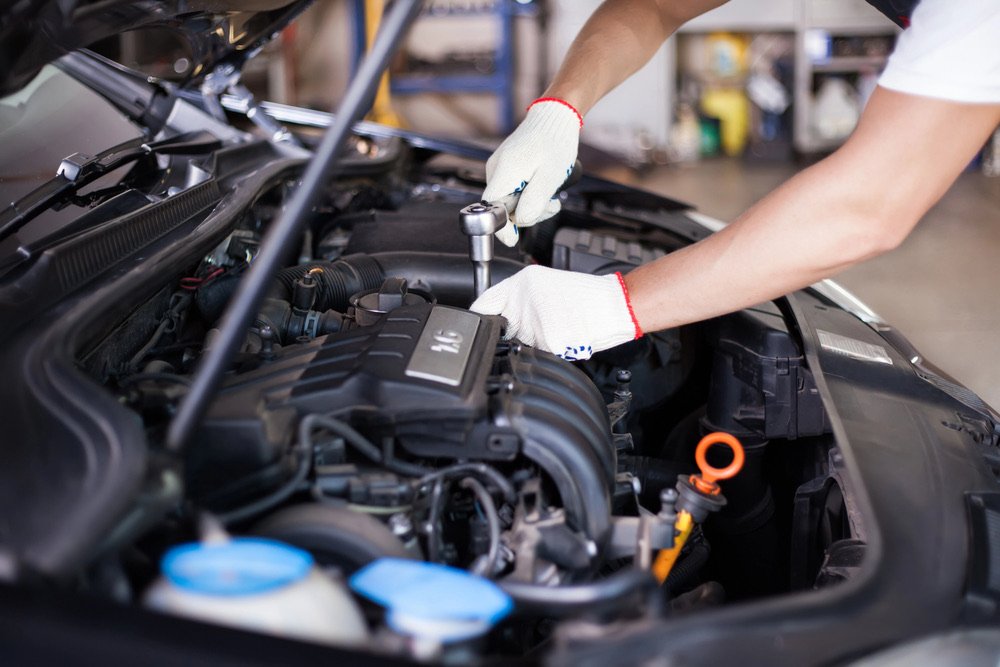
As winter fades away and temperatures begin to rise, it’s time to give your vehicle the attention it deserves after months of challenging weather conditions. Spring represents the perfect opportunity to perform a comprehensive vehicle check-up, ensuring your car is ready for the warmer months ahead and the increased travel that typically comes with better weather.
The transition from winter to spring isn’t just about changing your wardrobe – your car needs seasonal adjustments too. Cold temperatures, road salt, and harsh winter conditions can take a significant toll on various vehicle components. By performing essential spring maintenance checks now, you’ll not only ensure safer driving but also prevent costly repairs down the road and maintain your vehicle’s reliability throughout the year.
Why Spring is the Perfect Time for Vehicle Maintenance
Spring maintenance serves as a crucial bridge between the harsh winter months and the demanding summer driving season. During winter, your vehicle endures extreme temperature fluctuations, corrosive road salt, and increased strain on various systems. Components like batteries work harder in cold weather, while rubber parts like tires and wiper blades can become brittle and less effective.
Moreover, spring maintenance prepares your vehicle for summer’s unique challenges: higher temperatures that stress cooling systems, increased travel distances during vacation season, and the need for optimal air conditioning performance. By addressing maintenance needs now, you’re essentially performing preventive care that will pay dividends in reliability and safety throughout the year.
The 10 Essential Spring Car Maintenance Checks
1. Winter to Summer Tire Change and Regulatory Compliance
The transition from winter to summer tires is often mandatory depending on your location and local regulations. Winter tires are specifically designed for cold temperatures and lose effectiveness as temperatures consistently rise above 45°F (7°C). Check your local regulations for specific dates when winter tires must be removed.
When switching to summer tires, inspect them for:
- Tread depth (minimum 2/32 inch, but 4/32 inch is recommended)
- Sidewall cracks or bulges
- Uneven wear patterns that might indicate alignment issues
- Age of tires (replace if older than 6 years regardless of tread)
2. Engine Oil Level and Condition Check
Engine oil is your vehicle’s lifeblood, and winter driving can accelerate oil degradation due to shorter trips and cold starts. Check both the oil level using the dipstick and examine the oil’s color and consistency. Fresh oil appears amber or black and flows smoothly, while old oil may appear thick, gritty, or contain metal particles.
If it’s been more than 3,000-5,000 miles (depending on your oil type) or three months since your last change, schedule an oil change immediately. Spring is also an excellent time to switch to a different viscosity oil if recommended by your manufacturer for warmer weather.
3. Coolant System Verification
Your vehicle’s cooling system works overtime during summer months, making spring the critical time to ensure it’s functioning properly. Check the coolant level in both the radiator and overflow tank when the engine is cold. The coolant should be clear or slightly colored (green, orange, or pink depending on type) without any rust, oil, or debris.
Inspect hoses for cracks, soft spots, or bulges, and check clamps for tightness. If your coolant hasn’t been changed according to manufacturer specifications (typically every 2-5 years), spring is the ideal time for a complete system flush and refill.
4. Comprehensive Brake System Inspection
Winter driving with its frequent stops and challenging conditions can accelerate brake wear. Inspect brake pads through the wheel spokes – they should have at least 1/4 inch of pad material remaining. Listen for squealing, grinding, or unusual noises when braking, which often indicate worn pads or rotors.
Check brake fluid levels and color – it should be clear to light amber, not dark or contaminated. If you notice a soft brake pedal, longer stopping distances, or the vehicle pulls to one side when braking, schedule a professional brake inspection immediately.
5. Battery Performance After Winter
Car batteries work significantly harder during cold weather, and many battery failures occur as temperatures begin to warm up. Clean any corrosion from battery terminals using a wire brush and baking soda solution. Check that connections are tight and secure.
Test the battery’s voltage – it should read around 12.6 volts when the engine is off. If your battery is more than three years old or shows signs of slow cranking, consider having it professionally tested or replaced before it fails unexpectedly.
6. Windshield Wiper Blade Replacement
Winter weather is particularly harsh on wiper blades. Ice, snow, and cold temperatures can cause rubber to crack, tear, or become less flexible. Inspect blades for:
- Cracked or torn rubber
- Missing pieces of the blade
- Bent or damaged frames
- Streaking or poor contact with windshield
Replace wiper blades at least annually, and spring is the perfect time since you’ll need clear visibility for spring rains and increased driving.
7. Lighting and Electrical System Check
Inspect all exterior lights including headlights, taillights, brake lights, turn signals, and hazard lights. Winter conditions can cause moisture buildup inside light housings or damage to bulbs. Clean dirty or clouded headlight lenses, which can reduce visibility by up to 40%.
Check that all lights function properly and replace any burned-out bulbs. Consider upgrading to LED bulbs for better visibility and longer life if your vehicle supports them.
8. Tire Pressure Optimization
Tire pressure fluctuates with temperature changes – typically losing 1-2 PSI for every 10°F temperature drop. As spring temperatures rise, you may need to adjust tire pressure to manufacturer specifications found in your owner’s manual or driver’s side door jamb.
Proper tire pressure improves fuel economy, extends tire life, and ensures optimal handling and safety. Check pressure when tires are cold, preferably before driving or at least three hours after your last trip.
9. Air Filter System Cleaning
Both cabin and engine air filters work harder during winter and may be clogged with debris, salt, and contaminants. A dirty engine air filter reduces fuel economy and performance, while a clogged cabin filter affects air conditioning efficiency and air quality.
Inspect the engine air filter by removing it from its housing – it should appear relatively clean without excessive dirt or debris. Replace if it’s dark, clogged, or hasn’t been changed in over 12,000 miles. Replace the cabin air filter annually or according to manufacturer recommendations.
10. Timing Belt Inspection
If your vehicle is approaching the recommended timing belt replacement interval (typically 60,000-100,000 miles), spring maintenance is an excellent time to address this critical component. A timing belt failure can cause extensive and expensive engine damage.
Look for signs of wear including cracking, fraying, or missing teeth on the belt. If you’re unsure about timing belt condition or replacement intervals, consult your owner’s manual or a qualified mechanic.
Cost Breakdown for Complete Spring Maintenance
Understanding maintenance costs helps you budget effectively and prioritize the most critical services. Here’s a typical cost range for common spring maintenance items:
Basic Maintenance Services
- Oil change: $25-75 (conventional to full synthetic)
- Tire rotation and balancing: $50-100
- Air filter replacement: $20-50
- Cabin filter replacement: $25-60
- Wiper blade replacement: $15-40
Advanced Maintenance Services
- Brake pad replacement: $150-400 per axle
- Battery replacement: $100-250
- Coolant system flush: $100-150
- Timing belt replacement: $500-1,000
- Comprehensive inspection: $100-200
A complete spring maintenance check-up typically costs between $200-500 depending on your vehicle’s needs and local labor rates. While this may seem significant, preventive maintenance is always more cost-effective than emergency repairs.
Smart Scheduling: Never Miss Another Maintenance Deadline
Keeping track of various maintenance schedules, inspection dates, and seasonal requirements can be overwhelming. Modern technology offers solutions that make vehicle maintenance management effortless and automatic.
The key to successful maintenance is consistent tracking and timely reminders. Consider using a dedicated vehicle management app that can monitor your mileage, track fuel consumption, and most importantly, send automatic notifications for upcoming maintenance needs.
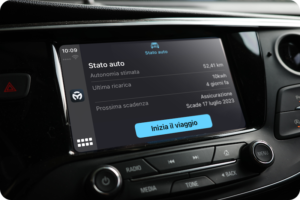
Download Magica Mileage Tracker to revolutionize how you manage your vehicle’s maintenance schedule. This comprehensive iOS app automatically tracks your trips, manages fuel records, and sends intelligent reminders for all your vehicle’s maintenance needs – from oil changes to inspection renewals. With complete privacy protection (all data stays on your device), CarPlay integration, and support for electric vehicles, Magica ensures you’ll never miss another critical maintenance deadline.

Try Magica for Free
Download the app and start automatically tracking your business trips. No credit card required.
Download Now
Conclusion
Spring car maintenance isn’t just about preparing for warmer weather – it’s about ensuring your safety, protecting your investment, and maintaining reliable transportation throughout the year. By following this comprehensive 10-point checklist, you’re taking proactive steps to prevent costly breakdowns and extend your vehicle’s lifespan.
Remember that vehicle maintenance is an ongoing process, not a one-time event. Establishing good maintenance habits now will serve you well throughout the year. Whether you perform these checks yourself or rely on professional service, the important thing is ensuring they get done consistently and on schedule.
Don’t leave your vehicle’s maintenance to chance or memory. Take control of your automotive care with proper planning and the right tools to keep you on track. Your vehicle – and your wallet – will thank you for the attention and care you provide.